Ancient Empires – 10 Days
A ten-day historical route through Fars and Khuzestan, tracing the landscapes of the Achaemenid, Sasanian and Elamite worlds without treating them as isolated monuments.
Journey overview
Ancient Empires is intended for travellers who want more than a brief stop at Persepolis. The route links royal centres, rock reliefs, tombs, planned cities and archaeological landscapes, while using Shiraz and selected regional bases to keep travel days manageable. Historical explanation is central: chronology, empire, trade, belief and landscape are introduced in a way that helps each site relate to the next.
Ten days provides a strong framework, but archaeological travel is sensitive to heat, opening hours, road conditions and conservation restrictions. The sequence should remain flexible enough to protect the quality of each visit.
Suggested route
Days 1–2 — Shiraz and the cultural setting
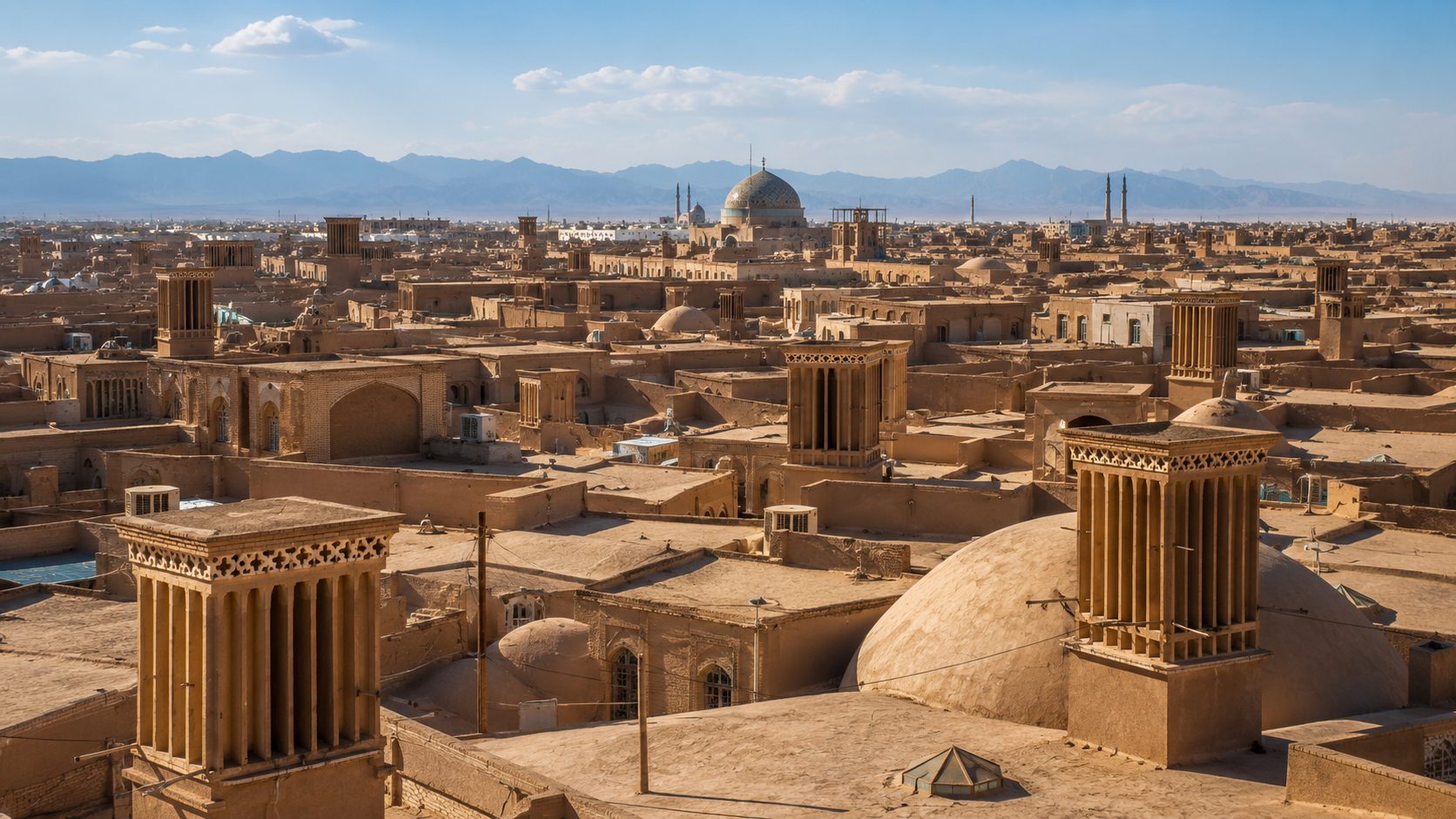
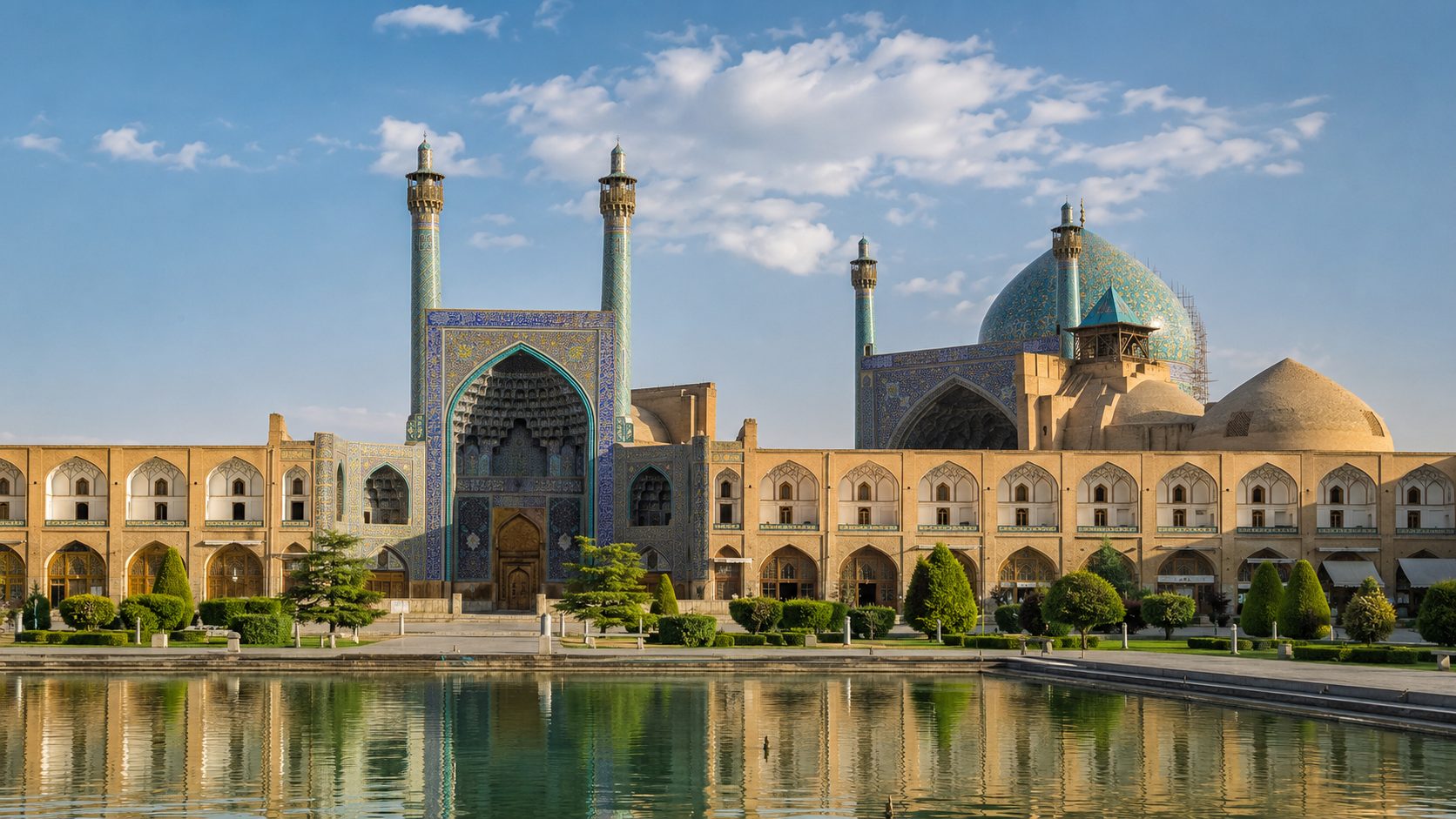
Begin in Shiraz with a measured introduction to the city’s gardens, religious architecture, poetry and bazaar life. These later layers are important: they prevent ancient history from being presented as though the region stopped changing after the fall of an empire. Arrival time determines how much can be visited comfortably.
Day 3 — Persepolis and Naqsh-e Rostam
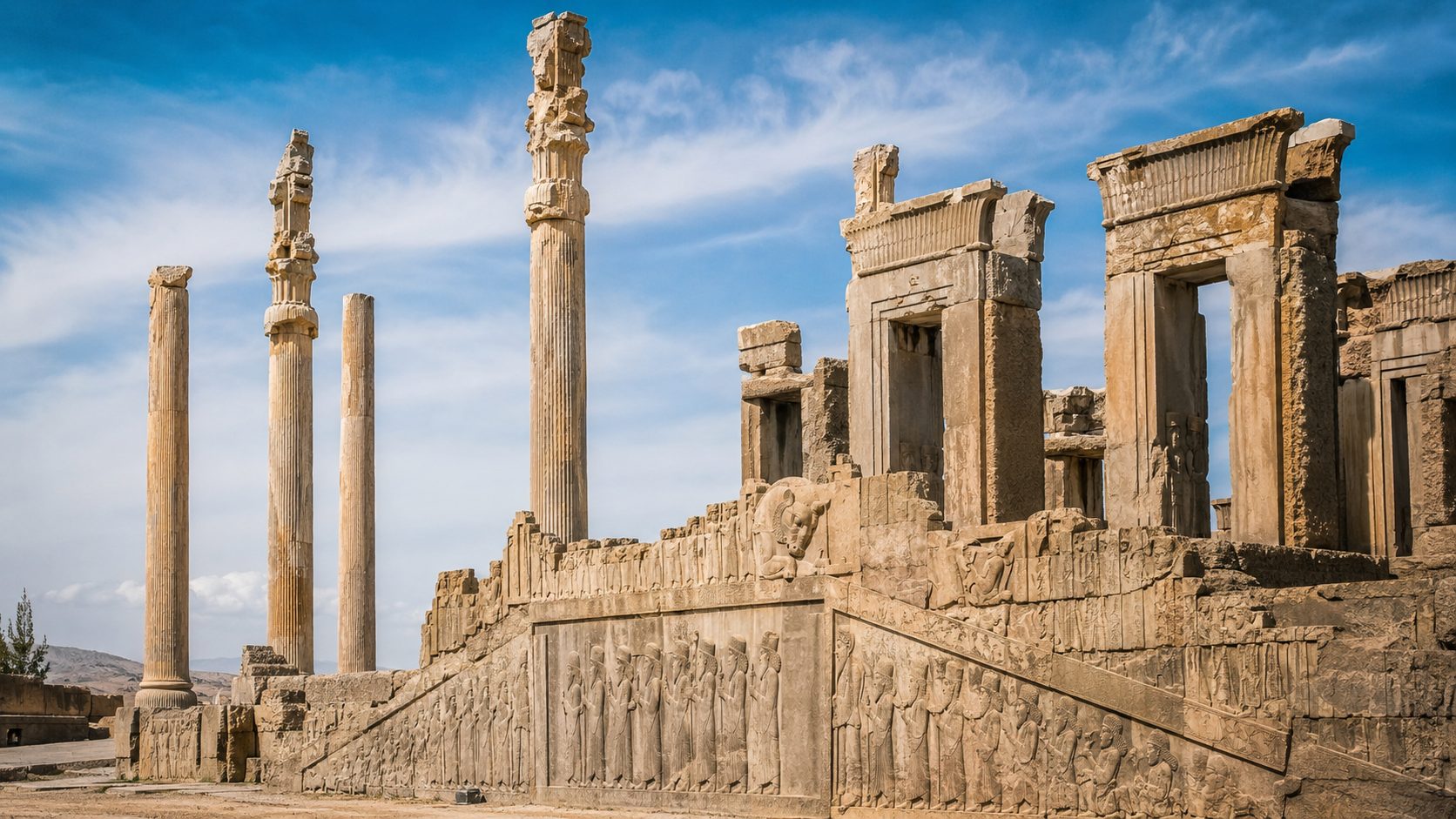
Dedicate substantial time to Persepolis. The terraces, gateways, audience halls and reliefs reward close observation, particularly when the political meaning of delegations and ceremonial movement is explained. Continue to Naqsh-e Rostam to examine royal tombs and Sasanian reliefs in the same landscape. Light and heat should guide the order of the day.
Day 4 — Pasargadae
Pasargadae offers a different expression of Achaemenid kingship. The dispersed site requires time and context. The tomb of Cyrus is the best-known structure, but the palaces, gardens and spatial organisation are essential to understanding why the site matters. Depending on the final route, the night may be in Shiraz or farther north.
Day 5 — Bishapur and the Sasanian landscape
Travel toward Bishapur, where urban planning, reliefs and the surrounding valley introduce the Sasanian period. Road timing and seasonal conditions matter. A visit should avoid rushing between scattered remains and instead focus on the relationship between the city, river, rock reliefs and imperial routes.
Days 6–8 — Khuzestan and the Elamite world
Continue toward the archaeological landscapes of Khuzestan. Depending on current access and the final itinerary, the focus may include Susa, Chogha Zanbil and Shushtar. These sites span different periods and functions: urban settlement, sacred architecture and hydraulic engineering. Summer temperatures can be severe, so this section is best planned with realistic early starts and rest periods.
Day 9 — Shushtar and regional context
Allow time to understand the historic water system and the living city around it. Good interpretation should distinguish between different construction phases and avoid presenting every feature as the work of a single moment or ruler. Local food and contemporary urban life provide necessary balance to the archaeological emphasis.
Day 10 — Departure or extension
The route can end with onward transport or connect to another region. Exact departure arrangements should be chosen after checking current schedules rather than relying on a generic transfer promise. Travellers with specialist interests may add research time, museums or a slower return toward central Iran.
Who this route suits
- History and archaeology enthusiasts comfortable with long site visits and detailed interpretation.
- Photographers willing to plan around light, conservation rules and seasonal heat.
- Travellers who prefer a focused regional narrative to a broad highlights circuit.
Physical demands and preparation
Many sites involve uneven ground, exposed walking and limited shade. Access can change, and not every area is suitable for every mobility level. Comfortable footwear, sun protection, water and honest discussion of physical needs are essential. The final plan should identify demanding visits clearly and offer alternatives where possible.
How pricing is calculated
The price shown is indicative only. A final quote depends on travel dates, route direction, transport, accommodation, party size, requested specialist interpretation, entrance fees and confirmed access. After an enquiry, these elements are checked and priced for your specific journey. No displayed estimate should be understood as a guaranteed booking price.
This is an initial planning estimate, not a final quote. The exact price is calculated after your dates, group, accommodation and services are confirmed.
Request this tour